Plunkett Research, Ltd., a Houston, Texas-based market research firm, has completed its latest research on the Banking, Mortgages & Credit Industry. (See: https://www.plunkettresearch.com/industries/banking-mortgages-market-research/). This revised and updated data is part of our massive Plunkett Research Online subscription service, where we continuously monitor the world’s 40 most vital business sectors, including such industries as retailing, artificial intelligence, health care, sports/recreation and much, much more. Our analysts and market research continually monitor the world’s leading industries and companies and post thorough updates yearly.
Key Findings:
A complete market research report, including forecasts and market estimates, technologies analysis and developments at innovative firms within the Banking, Mortgages & Credit Industry. Gain vital insights that can help shape strategy for business development, product development and investments.
Key Features:
Business trends analysis
In-depth industry overview
Technology trends analysis
Forecasts
Spending, investment, and consumption discussions
In-depth industry statistics and metrics
Industry employment numbers
Additional Key Features Include:
Industry Glossary
Industry Contacts list, including Professional Societies and Industry Associations
Profiles of industry-leading companies
U.S. and Global Firms
Publicly held, Private and Subsidiaries
Executive Contacts
Revenues
For Public Companies: Detailed Financial Summaries
Statistical Tables
Key Questions Answered Include:
How is the industry evolving?
How is the industry being shaped by new technologies?
How is demand growing in emerging markets and mature economies?
What is the size of the market now and in the future?
What are the financial results of the leading companies?
What are the names and titles of top executives?
What are the top companies and what are their revenues?
This feature-rich report covers competitive intelligence, market research and business analysis—everything you need to know about the Banking, Mortgages & Credit Industry.
Plunkett Research Provides Unique Analysis of the Following Trends Affecting the Banking, Mortgages & Credit Industry
Major Trends Affecting the Banking, Mortgages & Credit Industry
Introduction to the Banking, Mortgages & Credit Industry
The global insurance industry is at a historic inflection point. Once viewed as conservative and slow-moving, insurers today are at the forefront of digital transformation, data innovation, and shifting consumer expectations. According to Plunkett Research, global insurance premiums reached $7.2 trillion in 2024, while the U.S. industry alone employs more than 3 million people. Yet even with strong growth, insurers face mounting challenges—from climate-related losses to healthcare inflation and the rise of artificial intelligence. Below is a comprehensive look at the trends and technologies redefining the sector in 2025 and beyond.
Plunkett’s Insurance & Risk Management Industry eBook, latest edition.
1. Climate Change Drives Premium Surges and Risk Reevaluation
Extreme weather is reshaping the economics of insurance. The U.S. experienced 27 billion-dollar disasters in 2024, including wildfires and floods, driving home and auto insurance premiums up sharply. Homeowners in states like California and Florida saw rate hikes of 17% to 40% as companies such as State Farm and USAA recalibrated risk exposure. Inflation and rising repair costs have compounded these challenges.
As a result, insurers are investing heavily in catastrophe modeling, using sophisticated data analytics to predict weather-related losses and set rates more accurately. States, in turn, have stepped in with public insurance programs such as Florida’s Citizens Property Insurance Corp., which provides last-resort coverage for wind and flood damage. This public-private risk sharing is becoming essential in a world of escalating natural catastrophes
2. Artificial Intelligence and Big Data Transform Underwriting
No force is changing the insurance industry faster than artificial intelligence (AI). Underwriters now rely on machine learning to assess risk, detect fraud, and process claims at record speed. Firms like Farmers Insurance use AI-powered aerial imagery (via partners such as Zesty.ai) to evaluate wildfire risks. Similarly, GEICO and State Farm deploy algorithms for fraud detection and customer service automation.
In life insurance, AI has ushered in data-driven underwriting that pulls from prescription databases, driving records, and even wearable devices. Programs like John Hancock’s Vitality reward healthy behavior—tracked via smartwatches—with lower premiums. Insurtech startups such as Haven Life have pushed this personalization further, offering rapid digital approval processes based on predictive data models
AI also supports Robotic Process Automation (RPA), streamlining policy approvals and claims processing, while digital identity and anti-fraud systems are evolving to protect insurers from cybercrime. In short, AI is making underwriting faster, more precise, and more transparent.
3. Telematics and the Internet of Things Redefine Auto Insurance
Telematics technology—using sensors and GPS data to monitor driver behavior—is revolutionizing auto insurance. Programs like Progressive’s Snapshot and Metromile’s pay-per-mile coverage reward safe or infrequent drivers with lower rates. The “Internet of Things” (IoT) extends this model beyond vehicles to connected homes and workplaces, where real-time data from devices informs more accurate risk pricing.
For young drivers, telematics-based programs such as Safeco’s Teen Safety Rewards and American Family’s Teen Safe Driver Program incentivize safe habits through discounts. The trade-off, of course, is privacy: as more drivers consent to monitoring, continuous digital surveillance of behavior is becoming normalized
4. E-Commerce and Direct-to-Consumer Models Dominate Distribution
Insurance sales are moving online at a rapid pace. Digital comparison platforms like PolicyGenius, Insure.com, and CoverHound let consumers quote and buy coverage in minutes. Major carriers such as GEICO and Progressive have built strong direct-to-consumer models, while even traditional players are hybridizing—offering both agent-assisted and online purchasing options.
E-commerce has lowered transaction costs, enabling insurers to offer cheaper policies while reaching younger, tech-savvy consumers. Innovative brands such as Lemonade Insurance have built entire business models on mobile-first convenience and AI-driven customer service. Meanwhile, banks like Wells Fargo and Bank of America are expanding into direct insurance sales using digital marketing. As a result, independent agents, while still dominant in commercial lines, are losing share in personal lines as online sales surge
5. Specialty Insurance Lines See Explosive Growth
The explosion of new technologies and risks—from cybercrime to the gig economy—has fueled the rise of specialty insurance. Cyberinsurance, in particular, has become one of the fastest-growing segments. Startups like Coalition, Cowbell Cyber, and Resilience are leveraging AI to assess digital risk exposure and protect against ransomware, data breaches, and privacy lawsuits.
Other booming niche products include pet insurance, wedding insurance, environmental coverage, and Takaful (Sharia-compliant cooperative insurance for Muslim consumers). Specialty lines tend to deliver higher margins and growth than traditional products, especially in emerging markets where insurance penetration remains low
6. FinTech and InsurTech Revolutionize Service Delivery
The convergence of finance and technology—known as FinTech and InsurTech—is driving massive innovation in how consumers buy and manage insurance. FinTech apps have redefined personal finance through peer-to-peer payments, robo-advisors, and online lending. In parallel, InsurTech platforms are modernizing insurance selection, pricing, and claims management.
Companies like Oscar (health insurance), Metromile (auto), Clover Health (Medicare Advantage), and PolicyBazaar (India) are expanding coverage access through mobile apps. AI-driven chatbots, instant underwriting, and blockchain-based smart contracts are transforming the user experience. Consumers can now obtain personalized, affordable insurance in minutes—a development that’s reshaping expectations across the industry
7. Health Insurance Faces Escalating Costs and Policy Shifts
Rising healthcare costs remain one of the industry’s biggest challenges. U.S. healthcare expenditures reached $5.26 trillion in 2024, consuming nearly 18% of GDP. Employers and insurers are responding by shifting costs to employees through higher deductibles and co-payments, while promoting wellness programs to curb chronic disease.
The Affordable Care Act (ACA) continues to influence the structure of health insurance, mandating preventive coverage and banning discrimination against preexisting conditions. However, costs remain stubbornly high, and nearly 27 million Americans remain uninsured. Meanwhile, health sharing ministries—faith-based cost-sharing groups like Medi-Share and Liberty HealthShare—have emerged as low-cost alternatives for millions of Americans, though they often exclude preexisting or preventive care
8. Aging Populations and Retirement Planning Create New Opportunities
Demographic shifts are reshaping demand for insurance and financial products. More than 73 million Americans are now over age 65, holding $45.8 trillion in retirement assets. This aging cohort is fueling growth in annuities, long-term care, and supplemental Medicare insurance.
Companies such as AXA, TIAA-CREF, and Pacific Life are creating innovative annuity products, while financial giants like Vanguard and Fidelity are targeting retirees with income-focused mutual funds and advisory services. With rising longevity and a declining worker-to-retiree ratio, retirement-focused insurance products are set to remain one of the industry’s strongest growth drivers
9. Global Expansion and Emerging Markets Accelerate Growth
Emerging economies in Asia, Latin America, and Africa represent the next frontier for global insurers. In markets such as China, India, and Indonesia, rising incomes and expanding middle classes are driving demand for life, health, and property insurance. Major U.S. and European insurers, including AIG, Chubb, and Cigna, are aggressively expanding into these regions.
In India, government-backed programs like Ayushman Bharat are boosting private-sector participation in healthcare, while China’s growing middle class is fueling demand for microinsurance and hybrid savings-protection products. Despite regulatory hurdles and data scarcity, emerging markets are expected to drive much of the insurance industry’s premium growth through 2030
10. The Road Ahead: Digital Transformation and Risk Innovation
Looking forward, the insurance industry’s evolution will hinge on technology adoption, climate adaptation, and customer personalization. Key trends include:
Automation and AI accelerating underwriting and claims.
Drones and remote sensing revolutionizing inspections and disaster response.
Usage-based insurance becoming standard for autos and homes.
Cybersecurity and fraud prevention taking center stage.
As digital platforms and data analytics mature, insurers that adapt quickly will gain a decisive edge. The traditional image of insurance as slow and bureaucratic is giving way to one of agility, innovation, and resilience. In the years ahead, those who harness technology to predict, prevent, and protect will define the future of the industry.
Plunkett Research, Ltd., a Houston, Texas-based market research firm, has completed its latest research on the Insurance Industry. (See: https://www.plunkettresearch.com/industries/insurance-risk-management-market-research/). This revised and updated data is part of our massive Plunkett Research Online subscription service, where we continuously monitor the world’s 40 most vital business sectors, including such industries as retailing, artificial intelligence, health care, sports/recreation and much, much more. Our analysts and market research continually monitor the world’s leading industries and companies and post thorough updates yearly.
Key Findings:
A complete market research report, including forecasts and market estimates, technologies analysis and developments at innovative firms within the Insurance Industry. Gain vital insights that can help shape strategy for business development, product development and investments.
Key Features:
Business trends analysis
In-depth industry overview
Technology trends analysis
Forecasts
Spending, investment, and consumption discussions
In-depth industry statistics and metrics
Industry employment numbers
Additional Key Features Include:
Industry Glossary
Industry Contacts list, including Professional Societies and Industry Associations
Profiles of industry-leading companies
U.S. and Global Firms
Publicly held, Private and Subsidiaries
Executive Contacts
Revenues
For Public Companies: Detailed Financial Summaries
Statistical Tables
Key Questions Answered Include:
How is the industry evolving?
How is the industry being shaped by new technologies?
How is demand growing in emerging markets and mature economies?
What is the size of the market now and in the future?
What are the financial results of the leading companies?
What are the names and titles of top executives?
What are the top companies and what are their revenues?
This feature-rich report covers competitive intelligence, market research and business analysis—everything you need to know about the Insurance Industry.
Plunkett Research Provides Unique Analysis of the Following Major Trends and Technologies Affecting the Insurance Industry
Major Trends and Technologies Affecting the Insurance Industry
Introduction to the Insurance Industry
Premiums Soar for Home and Auto Insurance
Sophisticated Risk Management and Prevention Programs Lead to Lower Losses
Risk Managers Seek Certification
Independent Agencies Continue to Dominate Commercial Insurance, but Play a Lesser Role in Personal Lines
Insurance Direct Selling and E-Commerce
Insurance Underwriting Uses Artificial Intelligence (AI)/Policy Holders Allow Their Habits to Be Tracked for Lower Insurance Rates
Artificial Intelligence (AI) Enables Life Insurance Underwriting
States Pick Up Some Wind and Flood Risk for Homeowners/Underwriters Rely on Sophisticated Risk Analysis Technology to Set Rates
No End in Sight to the Growth of Specialized Insurance Lines
Health Sharing Ministries Attract Millions of Members
Annuity Account Managers Create New Product Strategies
Major U.S., Japanese and European Insurance Firms See Vast Promise in Chinese, Southeast Asian and Emerging Markets
Continued Rise in Health Care Costs
Number of Uninsured Americans Remains High
U.S. Affordable Care Act (ACA) of 2010 Rewrote the Rules and Increased Coverage, But Costs Continue to Rise
Employers Fight Rapidly Growing Health Care Premiums/Require Employees to Pay a Significant Share of Costs
Insurance Companies Change Strategies Due to Affordable Care Act (ACA) and Rapidly Rising Costs of Care
Hedge Funds and Private Equity Play a Major Role in Financial Products Including Derivatives, Lending and Insurance (Shadow Banking)
The global aerospace and aviation landscape is evolving faster than at any time since the dawn of powered flight. Once driven primarily by government research and defense spending, the industry is now shaped by private innovation, sustainability imperatives, and a new space economy. From electric aircraft to reusable rockets and precision drones, these advances are redefining transportation, communication, and even commerce on Earth and beyond
The Boeing-Airbus rivalry continues to dominate the skies, but both firms are under mounting pressure to deliver aircraft that are cleaner, lighter, and more cost-efficient. Boeing’s 737 MAX and Airbus’s A320neo families exemplify this focus on efficiency, utilizing LEAP and PurePower geared turbofan engines that deliver up to 20% fuel savings
Meanwhile, composite materials and advanced aerodynamics have ushered in a new era of aircraft design. Boeing’s 787 Dreamliner and Airbus’s A350 XWB use more than 50% carbon fiber composites, significantly cutting fuel consumption and extending aircraft life. At the same time, China’s COMAC C919 and Embraer’s E2 series are intensifying global competition in the single-aisle jet market.
Passenger comfort is also a growing differentiator. Larger windows, higher humidity, and quieter cabins now come standard, with both Airbus and Boeing emphasizing human-centered design in long-haul aircraft.
2. Sustainability and the Propulsion Revolution
The aviation industry contributes roughly 2.4% of global fossil fuel emissions, spurring a global race for zero-emission flight. Startups and major manufacturers alike are pursuing hydrogen, electric, and hybrid-electric propulsion systems.
ZeroAvia is developing hydrogen-electric engines for regional aircraft, while Eviation’s Alice all-electric commuter jet—already boasting billions in preorders—marks a milestone in electric aviation. Major manufacturers such as Airbus, Rolls-Royce, and Siemens are also collaborating on hybrid-electric demonstrators. NASA’s X-57 Maxwell project further showcases the promise of all-electric aviation
Hydrogen fuel cells, ceramic-composite engines, and ultra-light materials are driving this revolution, with the 2030s expected to bring the first wave of commercially viable green aircraft.
3. Supersonic and Urban Air Mobility Take Flight
After two decades of silence following the retirement of the Concorde, supersonic flight is poised for a comeback. Boom Supersonic’s Overture aircraft, traveling at Mach 1.7, has drawn preorders from United, American, and Japan Airlines. Its use of sustainable aviation fuels (SAF) and refined aerodynamics could restore supersonic travel to commercial viability by the end of the decade
Simultaneously, urban air mobility (UAM) is becoming a tangible reality. Companies like Joby Aviation, Wisk Aero, Archer Aviation, and Vertical Aerospace are developing electric vertical takeoff and landing (eVTOL) aircraft for air taxi services. Backed by Delta, Toyota, and United Airlines, these firms are preparing for limited commercial operations as early as 2026–2028. The FAA’s creation of a new “powered-lift” regulatory category in 2024 has accelerated this sector’s momentum
4. The Satellite Boom and the Low-Earth Orbit Revolution
Miniaturization and reusability have transformed the satellite industry. SmallSats and CubeSats, ranging from refrigerator-sized devices to units no larger than a softball, are revolutionizing telecommunications, data analytics, and Earth observation.
SpaceX’s Starlink constellation—projected to exceed 12,000 satellites—has already launched more than 8,000 into orbit, connecting over 4 million global users. Competitors like Eutelsat OneWeb and Blue Origin’s Project Kuiper are expanding the Low Earth Orbit (LEO) ecosystem, offering faster, more reliable global broadband coverage
Beyond connectivity, these networks are aiding agriculture, logistics, and disaster response, while enabling precision tracking and real-time weather monitoring. The future of global communication will likely depend on constellations of small, intelligent satellites that can be built, launched, and updated in months instead of years.
5. Reusable Rockets and Space Commercialization
The space industry is being redefined by private-sector competition. SpaceX, Blue Origin, Rocket Lab, and Relativity Space are driving down launch costs through reusable rocket technology.
SpaceX’s Falcon 9 and Starship systems have slashed the cost-to-orbit from $25,000 per kilogram in the Apollo era to under $5,000, while demonstrating successful vertical landings and rapid turnaround between launches. Blue Origin’s New Shepard program, meanwhile, has completed more than a dozen crewed missions, advancing reusable suborbital travel.
The global space economy, valued at over $630 billion in 2023, is projected to reach $1.8 trillion by 2035
Growth will be driven by commercial satellite launches, lunar missions, and even space-based manufacturing—with companies like Varda Space and Space Forge researching pharmaceutical production in microgravity.
The next decade will also see the expansion of space tourism, as Virgin Galactic, Blue Origin, and SpaceX open high-altitude travel to civilians.
6. Drones: From Hobby to Essential Infrastructure
The drone industry is evolving from novelty to necessity. The FAA reports more than 800,000 registered drones in U.S. airspace, serving sectors from agriculture and construction to insurance and logistics
Drones are revolutionizing precision agriculture, enabling farmers to analyze soil, detect pests, and monitor irrigation with high-resolution imaging. In construction and real estate, drones provide cost-effective aerial mapping, inspections, and marketing footage.
Commercial delivery is also becoming reality. Amazon Prime Air, Walmart, and Alphabet’s Wing now operate pilot programs across the U.S., while Zipline delivers medical supplies across Africa, Japan, and the U.S. These advances depend on evolving regulation—such as the FAA’s Part 107 rules, which now permit flights over people and night operations with certain safeguards
With AI integration and autonomous navigation, drones are expected to become a permanent fixture in global logistics networks, infrastructure monitoring, and even emergency response.
7. The Expanding Frontier of Space and Defense
Space is becoming a new domain of geopolitical and commercial competition. The U.S., China, and India are expanding their orbital and lunar ambitions, while the European Union and private investors are funding independent launch capabilities.
Concerns over space militarization—including anti-satellite weapons and orbital surveillance—are prompting heavy investment in space defense systems. At the same time, researchers are exploring asteroid mining and solar energy collection in orbit as potential future industries
Private companies are also planning commercial space stations like Blue Origin’s Orbital Reef and Vast’s Haven-1, potentially opening new markets for space research and habitation by the late 2020s.
8. The Future
From hydrogen-powered aircraft to self-flying taxis and satellite broadband, the boundaries between aviation, space, and digital communication are blurring. What was once the domain of national space agencies has become a playground for entrepreneurs, engineers, and venture capitalists.
The coming decade will see a convergence of aerospace technologies that make flight cleaner, faster, and more connected—and, perhaps most importantly, accessible beyond Earth’s atmosphere. The next era of aerospace will not only shrink distances on Earth but extend humanity’s reach into the stars.
Plunkett Research, Ltd., a Houston, Texas-based market research firm, has completed its latest research on the Aerospace, Aircraft, Satellites & Drones Industry. (See: https://www.plunkettresearch.com/industries/aerospace-aircraft-satellites-drones-industry-market-research/). This revised and updated data is part of our massive Plunkett Research Online subscription service, where we continuously monitor the world’s 40 most vital business sectors, including such industries as retailing, artificial intelligence, health care, sports/recreation and much, much more. Our analysts and market research continually monitor the world’s leading industries and companies and post thorough updates yearly.
Key Findings:
A complete market research report, including forecasts and market estimates, technologies analysis and developments at innovative firms within the Aerospace, Aircraft, Satellites & Drones Industry. Gain vital insights that can help shape strategy for business development, product development and investments.
Key Features:
Business trends analysis
In-depth industry overview
Technology trends analysis
Forecasts
Spending, investment, and consumption discussions
In-depth industry statistics and metrics
Industry employment numbers
Additional Key Features Include:
Industry Glossary
Industry Contacts list, including Professional Societies and Industry Associations
Profiles of industry-leading companies
U.S. and Global Firms
Publicly held, Private and Subsidiaries
Executive Contacts
Revenues
For Public Companies: Detailed Financial Summaries
Statistical Tables
Key Questions Answered Include:
How is the industry evolving?
How is the industry being shaped by new technologies?
How is demand growing in emerging markets and mature economies?
What is the size of the market now and in the future?
What are the financial results of the leading companies?
What are the names and titles of top executives?
What are the top companies and what are their revenues?
This feature-rich report covers competitive intelligence, market research and business analysis—everything you need to know about the Aerospace, Aircraft, Satellites & Drones Industry.
Plunkett Research Provides Unique Analysis of the Following Major Trends Affecting the Aerospace, Aircraft, Satellites & Drones Industry
Major Trends Affecting the Aerospace, Aircraft, Satellites & Drones Industry
Introduction to the Aerospace, Aircraft, Satellites & Drones Industry
Boeing and Airbus Compete for New Orders
New Aircraft Designs Offer Greater Passenger Comfort/More Efficient Engines
Supersonic Jets Fly Again
Hydrogen and Electric-Powered Airplanes Are Under Research and Development
Flying Taxis and Commuter Aircraft Get Off the Ground
Smaller Satellites (SmallSats and CubeSats) and Low Earth Orbit Revolutionize Telecommunications
Private, Reusable Rockets Launch Commercial Satellites and Serve both the U.S. Military & NASA
Space Travel Firms Carry Tourists/New Vehicles for U.S. Astronauts
Commercial Uses of Drones Advance/Autonomous Mid-Size Aircraft Developed
Drone Regulation and Licensing Evolve
Drones Provide New Tools for Precision Agriculture
Drones Save Time and Money in a Variety of Industries Including Insurance, Real Estate and Construction
Package and Food Delivery by Drone
The Future of Space Commercialization and Private Rocket Launch Services
Plunkett Research Provides In-Depth Tables for the Following Aerospace, Aircraft, Satellites & Drones Industry Statistics
Aerospace, Aircraft, Satellites & Drones Industry Statistics and Market Size Overview
Quarterly Aerospace Manufacturing Industry Net Sales, U.S.: 2001-1st Quarter 2025
Gross Output in the Aircraft Manufacturing and Air Transportation Industries, U.S.: Selected Years, 2017-2023
Satellite Telecommunications: Estimated Sources of Revenue & Expenses, U.S.: 2019-2022
Federal R&D & R&D Plant Funding for Space Flight, Research & Supporting Activities, U.S.: Fiscal Years 2023-2025
Federal R&D & R&D Plant Funding for Air Transportation, U.S.: Fiscal Years 2023-2025
Federal R&D & R&D Plant Funding for National Defense, U.S.: Fiscal Years 2023-2025
NASA Budget Appropriations & Projections: 2023-2029
U.S. Exports & Imports of Aircraft, Spacecraft, and Parts: 2018-2024
Consolidation in U.S. Airlines
Quarterly U.S. Scheduled Service Passenger Airlines Financial Reports:
1st Quarter 2024-1st Quarter 2025
Air Carrier Traffic Statistics, U.S.: 2000 – April 2025
U.S. Airline Passenger Activity: 2010-2045
Top 10 U.S. Airlines & Airports Ranked by 2025 System Scheduled Enplanements
Employment & Earnings in Aerospace Occupations, U.S.: May 2024
Federal R&D & R&D Plant Funding for Transportation, U.S.: Fiscal Years 2023-2025
NSF Budget by Appropriation (Dollars in Millions), Fiscal Years: 2023-2025
The global health care industry stands at a crossroads of rapid transformation. Shaped by technological innovation, shifting demographics, and rising patient expectations, the industry is being redefined from every angle—delivery models, financing, and even the role of patients themselves. The coming decade will see unprecedented changes in how health care is accessed, administered, and paid for. Below is an in-depth look at the most important trends driving this evolution.
1. The Shift Toward Value-Based and Outcome-Driven Care
Health care systems worldwide are moving away from traditional fee-for-service payment models toward value-based care—a system that rewards providers based on patient outcomes rather than the quantity of services provided. This change is fueled by the rising cost of medical care and the growing need for accountability in outcomes.
Under value-based care, health systems, insurers, and providers focus on preventive medicine, chronic disease management, and coordinated care to improve long-term results. Hospitals are investing in population health analytics and care coordination teams to ensure patients receive the right treatment at the right time. Moreover, outcome-based contracts between insurers and pharmaceutical companies are becoming more common, aligning incentives to achieve measurable improvements in patient health.
2. The Digital Health Revolution and Expansion of Telemedicine
The rise of telemedicine and digital health platforms represents one of the most significant changes in modern health care delivery. Initially accelerated by the COVID-19 pandemic, virtual care has now become a permanent fixture in the health ecosystem.
Patients increasingly prefer the convenience of remote consultations, and providers benefit from improved efficiency and expanded reach. Telehealth, remote patient monitoring, and mobile health applications are improving access to care for rural and underserved populations. Wearable technologies, such as smartwatches and biosensors, allow for continuous health tracking, providing physicians with real-time data on patient vitals and behaviors.
Health systems are also embracing digital front doors—integrated platforms that allow patients to schedule appointments, access lab results, and communicate with their care teams digitally. These innovations not only enhance patient engagement but also drive down costs through early detection and reduced hospital readmissions.
3. Artificial Intelligence and Big Data Analytics
Artificial intelligence (AI) and data analytics are revolutionizing every layer of the health care value chain. From predictive modeling and diagnostic imaging to administrative automation, AI technologies are enhancing both the speed and accuracy of clinical decision-making.
In diagnostics, machine learning algorithms are capable of identifying diseases such as cancer and diabetic retinopathy earlier and more accurately than traditional methods. Predictive analytics help hospitals forecast patient admissions, manage resources, and detect potential complications before they occur. Meanwhile, AI-driven chatbots and virtual assistants are improving patient interactions, reducing the administrative burden on staff, and ensuring continuous communication.
The health care industry is also becoming more data-driven through the adoption of electronic health records (EHRs) and interoperable data systems. This growing access to health data enables personalized medicine—tailoring treatments based on an individual’s genetic profile, lifestyle, and environment. As data privacy standards strengthen, AI’s integration into clinical and operational workflows will continue to expand.
4. Consumerization of Health Care: Patients as Informed Decision-Makers
Today’s health care consumers are more informed, proactive, and digitally empowered than ever before. This consumerization of health care is driving demand for transparency, convenience, and personalization.
Patients now expect the same level of service from health care providers as they do from retail or technology companies. Online appointment booking, upfront pricing, and personalized wellness recommendations are becoming standard expectations. Health care organizations are rebranding themselves around patient experience (PX), using digital tools and patient feedback to guide improvements in care quality and satisfaction.
The growth of wearable devices, such as Fitbit and Apple Watch, reflects a broader trend toward self-tracking and preventive health management. Consumers want ownership over their health data and expect their care providers to integrate these insights into treatment plans. This shift challenges providers to not only deliver clinical care but also act as health partners guiding patients through lifelong wellness journeys.
5. Aging Populations and the Growing Burden of Chronic Disease
Globally, the number of people aged 65 and older is increasing at an unprecedented rate. This demographic shift is placing enormous pressure on health care systems, particularly in developed nations. Aging populations bring a higher prevalence of chronic conditions such as diabetes, heart disease, arthritis, and dementia.
The result is a growing need for long-term care, home-based health services, and innovative chronic disease management programs. Many systems are moving care delivery away from hospitals and toward community-based and home settings—a trend supported by remote monitoring technologies and mobile care teams. At the same time, governments and insurers are reforming policies to support cost-effective solutions for elder care and end-of-life planning.
The economic implications are significant: as older adults consume a disproportionate share of health resources, there is a mounting urgency to invest in preventive care and early intervention strategies to control costs.
6. Integration of Mental and Behavioral Health
Health care is finally recognizing the importance of mental health as a core component of overall well-being. The pandemic, rising stress levels, and growing awareness of mental illness have accelerated investment in behavioral health services. Employers, insurers, and providers are now embedding mental health support into primary care settings.
Digital therapy platforms, mental health apps, and telepsychiatry have improved access to care, particularly in areas where shortages of licensed professionals exist. The integration of behavioral health into primary care models not only improves outcomes but also reduces the stigma surrounding mental illness—a vital step toward holistic care.
7. The Role of Mergers, Partnerships, and Industry Convergence
The boundaries between traditional health sectors are rapidly blurring. Hospitals, insurers, pharmaceutical companies, and technology firms are forming strategic partnerships and mergers to improve efficiency, expand services, and leverage shared data.
Retail giants such as Amazon, CVS Health, and Walgreens are moving aggressively into health care delivery through clinics, home care services, and telehealth. At the same time, technology companies are entering the health space with AI-driven diagnostics, health data platforms, and wearable devices. This convergence of technology and health care is creating powerful ecosystems that combine consumer convenience with clinical expertise.
These alliances are reshaping the competitive landscape and fostering innovation that traditional health systems alone could not achieve.
8. The Push for Health Equity and Access
Equity and access have become central themes in global health care reform. The pandemic exposed deep disparities in access to care, particularly among low-income, rural, and minority populations. Health systems are now prioritizing health equity initiatives, addressing the social determinants of health such as income, education, and environment.
Technology is playing a crucial role in closing these gaps. Mobile clinics, virtual consultations, and AI-driven population health tools are improving access for historically underserved communities. Policymakers are also emphasizing community-based health programs and culturally competent care to promote inclusivity and trust.
9. The Future of Health Care
The health care industry is entering an era of transformation defined by innovation, integration, and inclusion. The convergence of technology, patient empowerment, and systemic reform is driving a shift toward a more connected, efficient, and equitable health ecosystem.
Organizations that can harness data, embrace digital innovation, and focus on value over volume will emerge as leaders in this new era. Ultimately, the goal is clear: to build a sustainable health care system that delivers better outcomes, broader access, and a higher quality of life for patients worldwide.
Plunkett Research, Ltd., a Houston, Texas-based market research firm, has completed its latest research on the Health Care Industry. (See: https://www.plunkettresearch.com/industries/health-care-medical-market-research/). This revised and updated data is part of our massive Plunkett Research Online subscription service, where we continuously monitor the world’s 40 most vital business sectors, including such industries as retailing, artificial intelligence, health care, sports/recreation and much, much more. Our analysts and market research continually monitor the world’s leading industries and companies and post thorough updates yearly.
Key Findings:
A complete market research report, including forecasts and market estimates, technologies analysis and developments at innovative firms within the Health Care Industry. Gain vital insights that can help shape strategy for business development, product development and investments.
Key Features:
Business trends analysis
In-depth industry overview
Technology trends analysis
Forecasts
Spending, investment, and consumption discussions
In-depth industry statistics and metrics
Industry employment numbers
Additional Key Features Include:
Industry Glossary
Industry Contacts list, including Professional Societies and Industry Associations
Profiles of industry-leading companies
U.S. and Global Firms
Publicly held, Private and Subsidiaries
Executive Contacts
Revenues
For Public Companies: Detailed Financial Summaries
Statistical Tables
Key Questions Answered Include:
How is the industry evolving?
How is the industry being shaped by new technologies?
How is demand growing in emerging markets and mature economies?
What is the size of the market now and in the future?
What are the financial results of the leading companies?
What are the names and titles of top executives?
What are the top companies and what are their revenues?
This feature-rich report covers competitive intelligence, market research and business analysis—everything you need to know about the Health Care Industry.
Plunkett Research Provides Unique Analysis of the Following Major Trends and Technologies Affecting the Health Care Industry
Major Trends Affecting the Health Care Industry
Introduction to the Health Care Industry
Continued Rise in Health Care Costs
Employers Fight Rapidly Growing Health Care Premiums/Require Employees to Pay a Significant Share of Costs
Medicare and Medicaid Spending Continue to Surge/More Baby Boomers Hit 65+ Years of Age
U.S. Affordable Care Act (ACA) of 2010 Rewrote the Rules and Increased Coverage, But Costs Continue to Rise
Accountable Care Organizations (ACOs) and Hospital Mergers Result from the Affordable Care Act/Many Hospital Chains Grow Dramatically in Market Share
Concierge Care/Direct Primary Care Are on the Rise/New Twists on House Calls
Insurance Companies Change Strategies Due to Affordable Care Act (ACA) and Rapidly Rising Costs of Care
Number of Uninsured Americans Remains High
Health Sharing Ministries Attract Millions of Members
Massive R&D Investment Required for Development and Approval of New Blockbuster Drugs/Drug Prices Soar
Fast Track Drugs Come to Market in the U.S. with FDA Cooperation
Generic Drugs Have Biggest Market Share By Unit Volume, but not by Total Revenues
America Pays Higher Prices for Drugs Than Other Nations/U.S. Government Launches Drug Price Negotiation and Control Powers for Medicare
Biotech and Orphan Drugs Create New Revenues for Drug Firms
Revolutionary New Drugs (Zepbound, Wegovy and Ozempic) Treat Obesity, Diabetes and Addiction/Show Promise for Treating Many Other Diseases
Quality of Care and Health Care Outcomes Data Are Available Online, Creating a New Level of Transparency
Obesity Sparks Government, School and Corporate Initiatives/Snack Foods Get Healthier
Health Care Goes Offshore, Medical Tourism and Clinical Trials Continue in China, India and Elsewhere
Retail Clinics, Urgent Care Centers and Employer Sites Increase Health Care Options but Suffer Challenges
Health Care Industry Grows Rapidly in China, India and Mexico
The Outlook for Health Care Technology:
Health Care Technology Introduction
Electronic Health Records (EHR) Digitize Patient Records at an Accelerating Pace
Telemedicine and Remote Patient Monitoring Rely on Wireless
Stem Cells and 3D Printing—A New Era of Regenerative Medicine Takes Shape
Health Care Robotics
Patients’ Genetic Profiles Plummet in Price as DNA Sequencing Technologies Advance
Advances for Cancer Patients in Chemotherapy and Radiation, Including Proton Beams and IMRT
Better Imaging, including MRI, PET and 320-Slice CT, Creates Advances in Detection
Artificial Intelligence (AI), Deep Learning and Machine Learning Advance into Commercial Applications, Including Health Care and Robotics
Plunkett Research Provides In-Depth Tables for the Following Health Care Industry Statistics
I. U.S. Health Care Industry Overview U.S. Health Care Industry Statistics and Market Size Overview Global Health Statistics, 2018-2025 Employment in the Health Care Industry, U.S.: 2020 – June 2025 U.S. FDA New Drug (NDA) and Biologic (BLA) Approvals, 2015 – 2024 The U.S. Drug Discovery & Approval Process Federal R&D & R&D Plant Funding for Health and Human Services, U.S.: Fiscal Years 2023-2025 Research Funding for Biological Sciences, U.S. National Science Foundation Fiscal Years 2024-2026
II. U.S. Health Care Expenditures & Costs The Nation’s Health Dollar: 2025 Where It Came From (Projected) The Nation’s Health Dollar: 2025 Where It Went (Estimated) National Health Expenditures & Annual Percent Change, U.S.: 2017-2033 National Health Expenditures by Type of Expenditure with Affordable Care Act Impacts, U.S.: Selected Calendar Years, 2020-2033 Hospital Care Expenditures & Annual Percent Change, U.S.: 2017-2033 Nursing Home Care Expenditures & Annual Percent Change, U.S.: 2017-2033 Home Health Care Expenditures & Annual Percent Change, U.S.: 2017-2033 Prescription Drug Expenditures & Annual Percent Change, U.S.: 2017-2033
III. Medicare & Medicaid Medicare Enrollment, 1975-2099 Medicaid Enrollment & Expenditures for Medical Assistance Payments & Administration: Selected Years, 1966-2023
IV. U.S. Health Insurance Coverage & The Uninsured Number & Percent of Persons of All Ages with and without Health Insurance Coverage, U.S.: 2007-2023 Employers’ Costs for Total Compensation and Health Insurance, by Selected Characteristics, U.S.: Selected Years, 2021-2025
V. U.S. Vital Statistics & Population Indicators Prevalence of Obesity Among Adults, by Age, Sex and Race/Ethnicity: U.S., August 2021-August 2023
The American job market in 2025 is at a pivotal moment, shaped by powerful economic, technological and demographic forces. While opportunities abound in certain industries, job seekers face rising competition, corporate consolidation and a labor landscape transformed by artificial intelligence and automation. Understanding these trends is crucial for anyone looking to navigate today’s complex employment environment.
Even more information on this industry is available! Check out our Major Employers Center.
Plunkett’s Almanac of American Employers eBook, latest edition.
1. A Cooling Job Market Amid Technological Disruption
As of late 2025, the U.S. job market has softened, with notable layoffs at some major firms. One major driver of change is generative artificial intelligence (GenAI) tools such as ChatGPT, which are reshaping entire industries. AI is automating tasks once performed by humans, particularly in customer service, financial analysis and software development, while simultaneously creating new roles in AI tool development, data management, and cloud computing.
Employers are also adapting to a hybrid work model, balancing productivity concerns with employees’ desire for flexibility. Many workers now split their time between the office and home, a shift that carries implications for career advancement, collaboration and company culture.
For job seekers, this means preparation and adaptability are more essential than ever. Employers expect candidates to demonstrate digital fluency, self-motivation and an understanding of emerging technologies that drive productivity and growth.
2. Cost Control and Corporate Consolidation
Cost control remains a top priority across corporate America. Mergers and acquisitions continue to reshape industries as firms seek efficiency, access to capital and economies of scale. Consolidation often leads to job cuts in overlapping departments, particularly in administration and middle management, as companies streamline operations.
At the same time, the reshoring trend, bringing manufacturing back to the U.S., is creating select new opportunities. Firms are investing in advanced, automated factories that rely on robotics and AI, producing more goods with fewer workers. While this limits large-scale hiring, it opens high-skill positions in areas like robotics maintenance, process engineering and advanced manufacturing technology.
3. The Rise and Regulation of the Gig Economy
The sharing and gig economy continues to disrupt traditional employment models. Millions of Americans work as independent contractors for platforms like Uber, Instacart and TaskRabbit. These workers enjoy flexibility and autonomy but often lack access to health benefits, job security and retirement plans.
Increasingly, gig workers view themselves as entrepreneurs, running small businesses built around their personal labor and tools. However, debates continue over whether these workers should be classified as employees, which would subject companies to higher costs and stricter labor regulations. The potential for union-like organizations, such as New York’s Independent Drivers Guild, suggests the future of gig work may involve greater advocacy and worker protections.
In the meantime, gig platforms compete fiercely for labor, offering incentives, bonuses and improved pay structures. This competition has the potential to gradually improve earnings and working conditions for millions of Americans in flexible roles.
4. Technology’s Sweeping Impact on Work
Technology remains the most transformative force in today’s job market. From cloud computing to robotics, artificial intelligence and the Internet of Things, businesses are leveraging innovation to boost efficiency and cut costs.
Automation has reduced the need for certain mid-level management positions, as digital systems now facilitate communication between front-line workers and executives. Workers on the factory floor or in warehouses increasingly use advanced software, RFID tracking systems and robotics to perform tasks once handled manually.
While automation displaces some jobs, it also creates new opportunities in AI engineering, data analytics, cybersecurity and software-as-a-service (SaaS). However, success in this environment demands continuous retraining. Employees who learn to use emerging technologies, especially those related to data, coding, and automation, will remain in high demand.
Industries such as e-commerce, logistics, telecommunications and manufacturing are at the forefront of this technological transformation. Amazon, for instance, has become a leader in robotics-driven warehousing and third-party logistics (3PL), reshaping the way goods move from factory to consumer.
5. The Outsourcing Boom
Outsourcing continues to expand as companies seek specialized providers to manage functions ranging from IT and janitorial services to logistics and supply chain management. Cloud computing has supercharged this trend, enabling firms like IBM, Accenture and ServiceMaster to run operations for global clients.
Third-party logistics (3PL) firms, such as UPS and FedEx, are thriving by providing warehousing, shipping and distribution services for manufacturers and retailers. As automation, robotics and AI enhance these systems, companies can operate more efficiently with fewer full-time employees.
For job seekers, this means opportunity often lies not within a manufacturer or retailer itself, but within the outsourcing firm managing its operations. As the line between employer and contractor continues to blur, understanding these networks is vital for identifying growth prospects.
6. Offshoring, Reshoring and the Global Workforce
Globalization continues to influence hiring trends. While many jobs have moved offshore to countries with lower labor costs, some industries are now experiencing a modest reshoring movement, particularly in high-tech and advanced manufacturing.
Factors driving reshoring include rising wages in countries like China, improved productivity among U.S. workers and lessons learned during pandemic-era supply chain disruptions. Modern American factories are leaner, more efficient, and often rely on collaborative robots (“cobots”) that work alongside humans to increase output.
At the same time, U.S. companies are balancing domestic production with the need to maintain a global presence. Lower energy costs and advanced automation make U.S.-based operations more competitive, but global markets still drive much of corporate growth, requiring international teams and supply chains.
7. The Aging Workforce and Delayed Retirement
Demographic change is another defining trend. Baby Boomers, born between 1946 and 1964, are continuing to work longer than previous generations, driven by longer life spans and a desire to remain active. Employers, particularly in retail and technical fields, increasingly value older workers for their reliability, knowledge and experience.
Companies like Home Depot have successfully integrated senior employees into their workforce, capitalizing on their expertise and strong work ethic. Meanwhile, in professional sectors such as engineering and aviation, older specialists play critical roles in knowledge transfer and mentorship.
This extended participation of older workers offers stability and experience to employers, but it also intensifies competition for younger job seekers. As a result, new entrants must focus on specialized skills, digital literacy and adaptability to stand out.
8. Where the Jobs Are: High-Growth Sectors for 2025 and Beyond
Despite economic uncertainty, numerous industries continue to offer robust employment opportunities. Job seekers should focus on fields with above-average growth potential, such as:
Artificial Intelligence and Software Development (AI, data analytics, SaaS, mobile apps)
Cybersecurity and Digital Identity Tools
Healthcare, Wellness, and Social Assistance
Finance, Fintech, and Insurance
Energy Conservation and Renewable Energy (including Solar)
Construction, Infrastructure, and Skilled Trades
Logistics, Warehousing, and Supply Chain Services (3PL)
Biotechnology and Pharmaceuticals
Education and Training
E-commerce and Online Services
These sectors reflect both the technological transformation of the economy and the persistent human demand for health, security, and efficiency.
9. What It All Means for Job Seekers
In the modern job market, competition is fierce, many openings receive hundreds or even thousands of applications. Simply submitting a résumé is no longer enough. Successful candidates must research prospective employers, tailor their applications and demonstrate a deep understanding of how technology and market forces affect their chosen industries.
The most promising careers will belong to individuals who combine adaptability with lifelong learning. Whether you’re entering the gig economy, pursuing work in AI or transitioning to a new sector, the ability to reskill and remain flexible will define long-term success.
The U.S. job market of 2025 reflects both challenge and opportunity. While automation and globalization continue to reshape the workforce, innovation and technological progress are generating new paths for employment. For job seekers, the key is to stay informed, remain adaptable and focus on industries that align with both personal interests and future economic growth.
Plunkett Research, Ltd., a Houston, Texas-based market research firm, has completed its latest research on American Employers. (See: https://www.plunkettresearch.com/industries/major-employers-jobs-market-research/). This revised and updated data is part of our massive Plunkett Research Online subscription service, where we continuously monitor the world’s 40 most vital business sectors, including such industries as retailing, artificial intelligence, health care, sports/recreation and much, much more. Our analysts and market research continually monitor the world’s leading industries and companies and post thorough updates yearly.
Key Findings:
A complete report by Plunkett Research analyzing both America’s top employers and the major trends sweeping through business and the economy that affect job seekers of all types. THE ALMANAC OF AMERICAN EMPLOYERS is the premier guide to 500 of the largest, most successful corporate employers in the nation (those with 2,500+ employee count), their employment practices, benefits and financial performance.
Key Features:
Job market trends analysis, data and competitive intelligence
Statistical tables
Employment forecasts and statistics
Important Contacts for Job Seekers
In-Depth Profiles of 500 of the largest, fastest-growing corporate employers
Gather Key Insights, Such As:
How is each industry evolving?
How is employment being shaped by new technologies?
How is demand growing?
What are the financial results of the leading companies?
What are the names and titles of top executives?
What are the top companies and what are their revenues?
The Almanac of American Employers and the related online Major Employers Research Center are designed to be time-saving business tools for job seekers, marketers, sales directors, consultants, and strategists seeking to understand vibrant American corporate employers. It will also be of great use to placement, recruiting and human resources professionals, as well as professionals working in economic development, lending, and media. This feature rich almanac includes:
Contents, Statistics and Analysis Include:
Plunkett Research Provides Unique Analysis of the Following Major Trends Affecting Job Seekers
The U.S. Job Market Overview
Cost Control Remains a Major Concern at Employers/Consolidation Through Mergers Continues
The Sharing & Gig Economy’s Effect on Employment, Work Life and Careers
Technology Continues to Create Sweeping Changes in the Workplace
Continued Growth in Outsourcing, Including Supply Chain and Logistics Services
Offshoring and the Reshoring of American Manufacturing
Older Americans Will Delay Retirement and Work Longer/Many Employers Find Older Employees Desirable
Employment Sectors that Will Offer an Above-Average Number of Job Opportunities
Plunkett Research Provides In-Depth Tables for the Following Statistics
U.S. EmploymentStatistics Overview: 2024-2025
U.S. Civilian Labor Force: 1998 – July 2025
Employment by Major Industry Sector: 2013, 2023 & Projected 2033
Number of People Employed and Unemployed, U.S.: July 2024 vs. July 2025
U.S. Labor Force Ages 16 to 24 Years Old by School Enrollment, Educational Attainment, Sex, Race & Ethnicity: October 2024
Retirement Benefits in the U.S.: Access, Participation and Take-Up Rates, March 2024
Top 30 U.S. Fastest Growing Occupations By Percent Change: 2023-2033
Occupations with the Largest Expected Employment Increases, U.S.: 2023-2033
Occupations with the Fastest Expected Decline, U.S.: 2023-2033
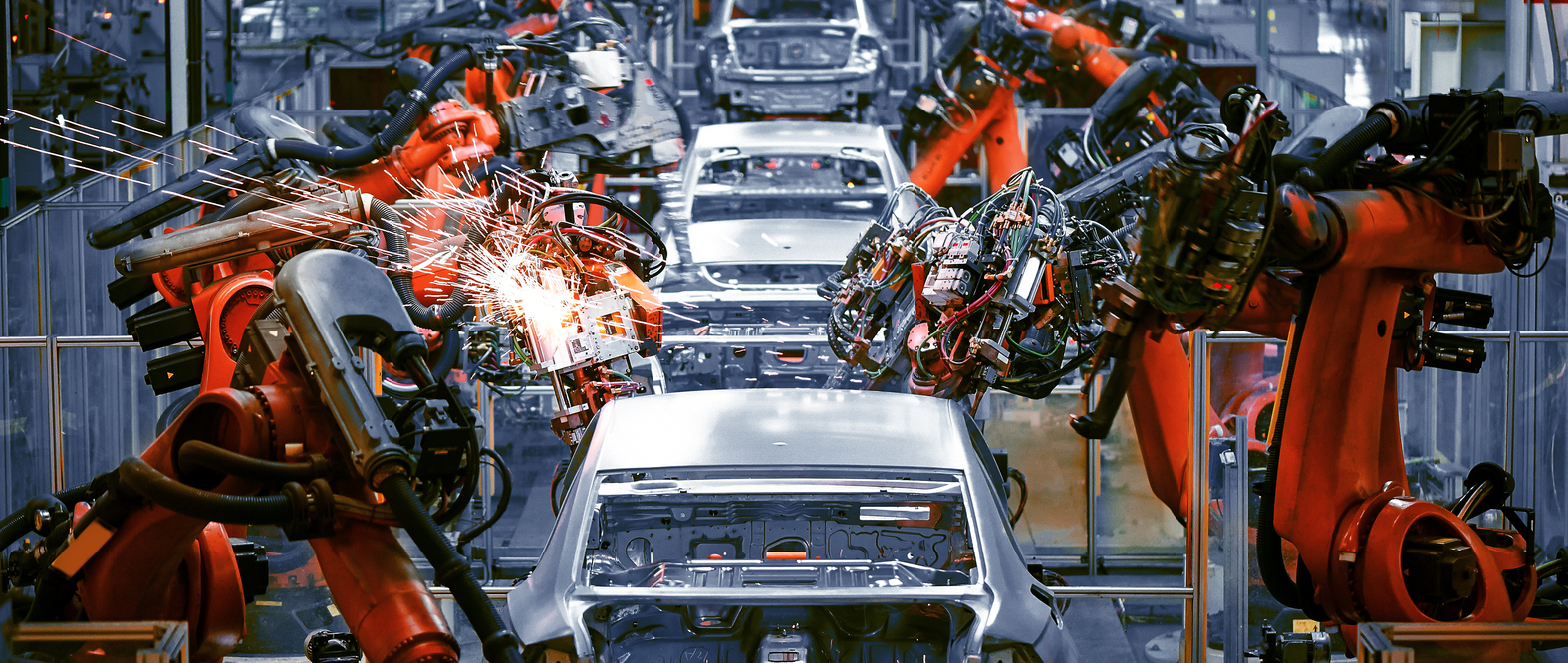
The automobile industry is experiencing one of the most significant transformations in its history. Forces such as electrification, sustainability, digital technology, and shifting global markets are pushing automakers to rethink business models and reimagine mobility itself. This article explores the most important trends redefining the global automobile landscape.
1. The Rise of Electric Vehicles (EVs)
Electrification stands as the single most powerful trend in the industry. Governments around the world are incentivizing EV adoption with subsidies, emissions regulations, and investment in charging infrastructure. Automakers are responding with massive investments in EV design and production.
However, challenges remain. Consumers continue to worry about range limitations, charging availability, and the higher price of EVs compared to gasoline-powered vehicles. While EV adoption is growing in regions such as China and Europe, the U.S. market is still adjusting. Global competition—particularly from Chinese manufacturers like BYD—has intensified as they export affordable, feature-rich EVs that disrupt established brands .
2. Advances in Battery Technology
The success of EVs depends heavily on battery technology. Today’s lithium-ion batteries are improving, but the industry is racing toward next-generation solutions that promise longer ranges, faster charging, and lower costs.
Emerging technologies include lithium iron phosphate (LFP) batteries, lithium-silicon hybrids, and sodium-ion alternatives. Solid-state batteries, often considered the “holy grail,” could dramatically reduce charging times while offering ranges exceeding 400 miles. Companies such as Tesla, Toyota, and a host of startups are investing heavily in this space. If breakthroughs occur at scale, EVs could become more affordable and practical, accelerating mass adoption .
3. Shifting Global Markets
China has cemented its role as the largest automobile market, with over 31 million vehicles sold in 2024 alone. It has also emerged as a leader in EV production and export, challenging U.S., European, and Japanese automakers.
India is another rising star, with increasing domestic sales and growing export capacity. Mexico has become a vital manufacturing hub, particularly for exports to the U.S., thanks to its cost advantages and trade agreements. Meanwhile, Korean automakers Hyundai and Kia continue to expand globally, building strong reputations for affordable yet high-quality vehicles .
4. Alternative Fuels and Efficiency
While EVs dominate headlines, other alternative fuels are gaining traction. Hydrogen fuel cells are being tested for commercial fleets and long-haul trucks. Ethanol blends and natural gas-powered vehicles are seeing increased interest in certain markets.
Simultaneously, automakers are improving traditional combustion engines with hybrid systems, lightweight materials, and aerodynamic designs. These advancements help manufacturers meet increasingly strict fuel economy and emissions standards, particularly in the U.S. and Europe. The long-term trend points toward a diverse fuel landscape where EVs, hybrids, and alternative fuels coexist .
5. Digital Transformation of Vehicles
Cars are rapidly evolving into smart, connected devices. Telematics, predictive diagnostics, and over-the-air updates allow automakers to enhance vehicle performance long after purchase. Infotainment systems now integrate seamlessly with smartphones, offering drivers real-time navigation, entertainment, and connectivity.
Connectivity also enables vehicles to communicate with one another (V2V) and with infrastructure (V2I), paving the way for smarter, safer transportation networks. Automakers are experimenting with subscription-based services—ranging from advanced driver-assistance features to premium entertainment packages—as new revenue streams beyond traditional sales .
6. Autonomous Vehicles and Ride-Hailing
Autonomous driving remains one of the most ambitious goals in the automotive sector. Billions of dollars are being invested in artificial intelligence, sensors, and robotics to enable self-driving capabilities. Companies like Waymo, Tesla, and Aurora are making progress, particularly in controlled environments such as ride-hailing services and long-haul trucking.
Ride-hailing platforms—Uber, Lyft, and Didi—continue to expand globally. Their business models could be fundamentally transformed if fully autonomous vehicles reduce the need for human drivers. The widespread adoption of driverless fleets could significantly decrease private car ownership, particularly in urban areas where mobility-as-a-service (MaaS) models are gaining momentum .
7. Safety Innovations and Insurance
Vehicle safety is advancing rapidly. Features such as lane departure warnings, automatic emergency braking, and adaptive cruise control are becoming standard across new models. These technologies not only save lives but also reshape consumer expectations for what modern vehicles should provide.
The insurance industry is also adapting. Telematics allows insurers to assess driver behavior in real time, offering personalized rates based on habits rather than broad demographic factors. The growth of ride-hailing and the eventual rise of autonomous vehicles present new challenges for liability and coverage, forcing insurers to innovate alongside automakers .
8. Supply Chain Disruptions and Resilience
Recent years have underscored the vulnerability of global automotive supply chains. Shortages of semiconductors, raw materials for batteries, and other critical components have disrupted production and delayed deliveries.
In response, automakers are working to localize supply chains, diversify sourcing, and invest in vertical integration. Battery factories are being built closer to key markets, and partnerships between automakers and tech firms are becoming more common. These measures aim to increase resilience and reduce reliance on any single country or supplier.
9. Environmental and Regulatory Pressures
Sustainability is no longer optional. Governments are tightening emissions standards and setting ambitious targets for EV adoption. Cities are introducing low-emission zones, and consumers are increasingly concerned with the environmental impact of their purchases.
Automakers are responding by committing to carbon-neutral operations, investing in renewable energy, and exploring recycling methods for batteries and other components. Regulations in Europe and the U.S. will continue to drive innovation and force companies to adapt quickly to avoid penalties .
10. Future Outlook
The automobile industry is at a crossroads, shaped by a convergence of technological, environmental, and economic forces. Electrification and battery innovation promise to redefine mobility, while digital transformation and autonomy push the boundaries of what vehicles can do. Global competition is intensifying, with China, India, and Mexico playing larger roles in production and sales.
At the same time, sustainability, safety, and resilience are guiding principles that will determine which companies thrive in the coming decade. For consumers, the future means greater choice—between EVs, hybrids, and alternative fuels—as well as more intelligent, connected, and personalized vehicles.
I shared with the team my reaction to your ppt which was exceptionally helpful and better than I have seen from similar assignments. We have been very happy with your work every step of the way, Thank you!
Tommy Bahama, Ideabook Consulting (Specialty retailer)
Thank you for all of the great information! Our subscription to PRO is going great. We love it and all the resources provided.
…This volume is a comprehensive, one-stop source for researchers of all types…This almanac provides great facts and great comparisons in an easy-to-understand format. Prepare to be amazed.”
American Reference Books Annual
Testimonials
I’m amazed at how much information is available and the various ways to access it. This will be a major resource for our serious job seekers.
Career Services, Penn State University
Plunkett Research Online provides a great ‘one stop shop’ for us to quickly come up to speed on major industries. It provides us with an overall analysis of the market, key statistics, and overviews of the major players in the industry in an online service that is fast, easy to navigate, and reliable.
Wendy Stotts, Manager, Carlson Companies
I really appreciate the depth you were able to get to so quickly (for our project). The team has looked through the material and are very happy with the data you pulled together.
Hilton Worldwide, Marketing Manager
We are especially trying to push Plunkett since all of our students have to do so much industry research and your interface is so easy to use.
Library Services, St. John’s College
We are especially trying to push Plunkett’s since all of our students have to do so much industry research and your interface is so easy to use.
Gary White, Business Materials Selector, Penn State University
Your tool is very comprehensive and immensely useful. The vertical marketing tool is very helpful, for it assists us in that venue, as well as targeting customers’ competition for new sales…The comprehensive material is absolutely fabulous. I am very impressed, I have to say!
Tammy Dalton, National Account Manager, MCI
The more I get into the database, the happier I am that we’ll have it–REALLY happy!!! Between the quality and affordability of your product, its appeal to and value for our users, and the inestimably ethical and loyalty-guaranteeing conduct of your business, I will always have more than sufficient praises to sing for Plunkett Research.
Michael Oppenheim, Collections & Reference Services, UCLA
Plunkett Research Online is an excellent resource…the database contains a wealth of useful data on sectors and companies, which is easy to search and well presented. Help and advice on how to conduct, export and save searches is available at all stages.





 Market Research
 Technologies Analysis
 Business Intelligence and “hard-to-find” facts
 Key Industry Associations (with contact information)
 Corporate Executive Contracts
 Industry Glossary
 Data Export Tools
 Top Companies Data
