
1.5.26
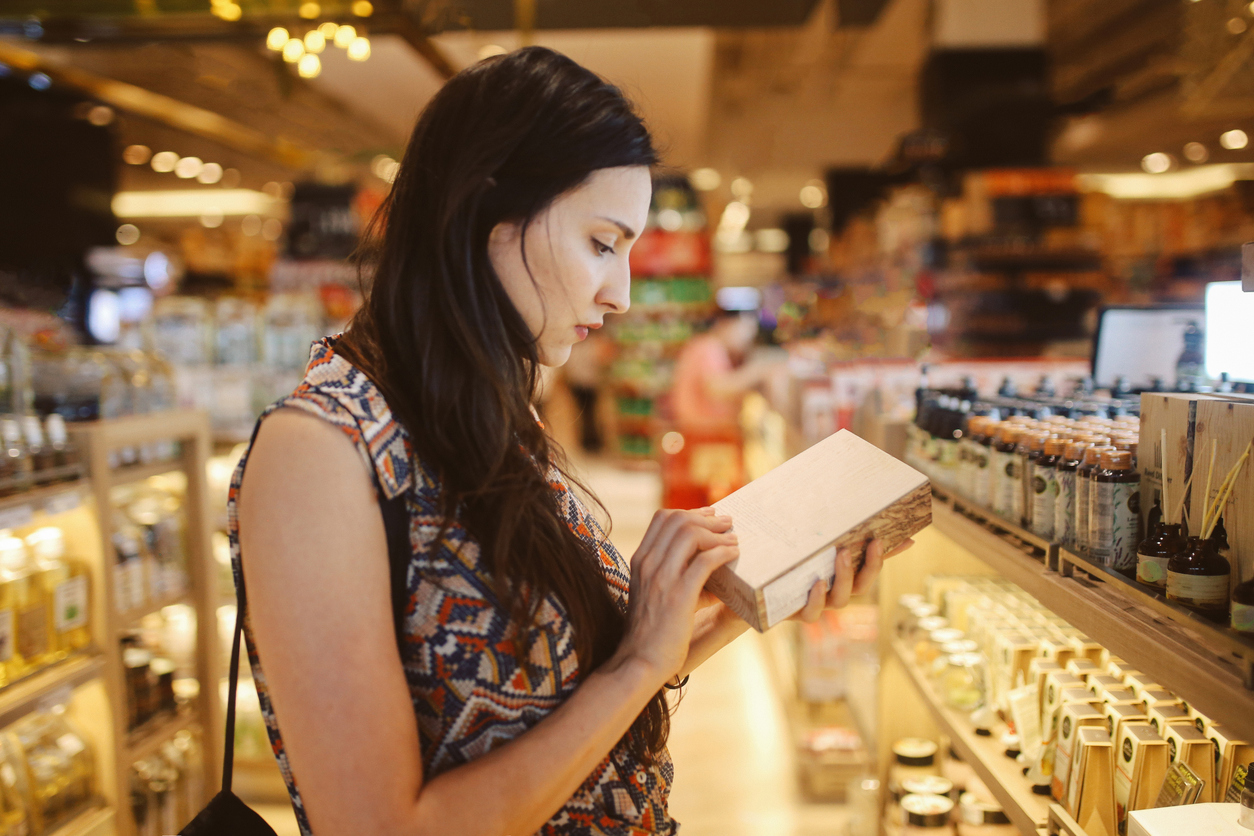
The retail industry is undergoing one of the most dramatic periods of change in its history. Driven by technological innovation, shifting consumer expectations, demographic change, and relentless competitive pressure, retailers are being forced to rethink nearly every aspect of their business models. From how merchandise is sourced and priced to how customers discover, purchase, and receive products, the traditional rules of retail no longer apply. The following trends represent the most influential forces shaping retail today and in the years ahead.
Even more information on this industry is available! Check out our Retail Industry Center.
Plunkett’s Retail Industry eBook, latest edition.
1. Ecommerce Growth and Omnichannel Integration
Ecommerce continues to grow at a rapid pace, steadily eroding the dominance of traditional brick-and-mortar retailing. Consumers now expect to shop seamlessly across channels—browsing online, purchasing in-store, ordering via mobile apps, and returning items wherever it is most convenient. This has made omnichannel retailing a requirement rather than a differentiator. Retailers such as Walmart, Target, Macy’s, and Best Buy are increasingly using their physical stores as fulfillment hubs for online orders. Buy-online-pickup-in-store (BOPIS), curbside pickup, same-day delivery, and ship-from-store strategies are now standard offerings. The goal is speed and convenience, leveraging existing store networks to compete with ecommerce giants like Amazon. Successful retailers are those that integrate “bricks and clicks” into a single, cohesive customer experience rather than treating online and offline channels as separate businesses.
2. Artificial Intelligence, Automation, and Advanced Technologies
Artificial intelligence (AI) is transforming retail operations from end to end. Retailers are using AI to personalize marketing, forecast demand, optimize pricing, improve inventory management, and automate customer service. AI-powered chatbots and virtual assistants now handle large volumes of customer inquiries, while generative AI is enabling more conversational and intuitive shopping experiences. Automation is also reshaping fulfillment and logistics. Robotics systems in warehouses and micro-fulfillment centers dramatically reduce labor costs and speed order processing. In stores, technologies such as RFID, smart shelves, cashier-less checkout, and digital receipts improve accuracy while enhancing the customer experience. Over time, these technologies reduce shrinkage, lower operating expenses, and allow retailers to scale more efficiently.
3. Private-Label Expansion and Value-Oriented Retailing
Private-label brands are growing rapidly across grocery, apparel, household goods, and beauty categories. Consumers increasingly view store brands as offering comparable quality to national brands at significantly lower prices. For retailers, private labels provide higher margins, greater control over product differentiation, and increased customer loyalty. Discount-oriented retailers such as Walmart, Costco, Target, Kroger, and ALDI have been particularly successful with this strategy. ALDI’s limited-assortment, private-label-heavy model demonstrates how operational efficiency and aggressive pricing can outperform traditional supermarket formats. In an environment where consumers are price-conscious and value-driven, private-label growth is one of retail’s most durable trends.
4. Direct-to-Consumer (DTC) and Non-Store Selling Models
Manufacturers and designers are increasingly bypassing traditional retailers by selling directly to consumers online. The direct-to-consumer model allows brands to control pricing, branding, customer data, and marketing while avoiding wholesale markups. Apparel, beauty, eyewear, and home goods have been especially fertile ground for DTC innovation. At the same time, non-store retailing has expanded beyond traditional catalogs and telemarketing into livestream shopping, social commerce, interactive video, and mobile-first experiences. AI-powered targeting and personalization have made these channels more effective than ever. While many DTC brands later add physical locations to support growth, the core shift toward direct engagement with consumers continues to reshape retail economics.
5. Store Reinvention and Experiential Retail
As routine purchases migrate online, physical stores are evolving into experience-driven destinations. Retailers are redesigning stores to emphasize engagement, discovery, service, and entertainment rather than sheer inventory density. Flagship and showcase stores—such as those operated by Apple—demonstrate how immersive design, knowledgeable staff, and hands-on interaction can create powerful brand loyalty. Beauty superstores, experiential apparel concepts, entertainment-based retail centers, and technology-enhanced fitting rooms are all examples of this trend. Stores are becoming places to learn, socialize, and be inspired, while fulfillment increasingly happens behind the scenes or through digital channels.
6. Fulfillment Innovation and Micro-Fulfillment Centers
The rise of same-day and on-demand delivery has transformed retail logistics. Retailers are experimenting with micro-fulfillment centers—small, automated facilities located within or near stores—to meet consumer expectations for speed. These centers combine robotics, AI, and localized inventory to enable rapid delivery without relying solely on massive centralized warehouses. Grocery retailers, in particular, are investing heavily in this model as online grocery shopping becomes a permanent consumer behavior. Employees are increasingly tasked with both serving in-store customers and fulfilling online orders, fundamentally changing labor models and store layouts.
7. Payments Innovation and Digital Wallets
Digital wallets and mobile payments are steadily gaining market share, reducing reliance on cash and physical cards. Platforms such as Apple Pay, Google Pay, and bank-backed wallets streamline checkout, improve security through tokenization, and integrate loyalty programs and digital IDs. For retailers, mobile payments speed transactions and generate valuable data, while consumers benefit from convenience and reduced friction. As smartphones increasingly function as both wallets and checkout terminals, payments innovation continues to reshape the retail experience.
8. Sustainability, Demographics, and Global Growth
Socially conscious consumers are influencing product design, sourcing, packaging, and marketing. Sustainability, ethical sourcing, health-conscious products, and long-term value resonate strongly with LOHAS (Lifestyles of Health and Sustainability) consumers. Retailers are responding by emphasizing transparency, environmental responsibility, and durable quality. Demographic shifts are also reshaping merchandise strategies, from inclusive sizing and vanity sizing in apparel to changing demand patterns driven by weight-loss drugs and aging populations. Globally, emerging markets such as China and India remain long-term growth opportunities, even as ecommerce reduces the need for expansive physical store networks.
9. The Road Ahead
The modern retail industry is defined by speed, integration, and relentless innovation. Retailers that succeed will be those that deliver clear value, leverage technology intelligently, integrate physical and digital channels seamlessly, and adapt continuously to changing consumer behavior. Those that fail to evolve risk being left behind in an industry that no longer tolerates inefficiency or complacency. The transformation of retail is far from over—and its next chapter will be even more dynamic than the last.
Key Concepts: Retailing, business, demographics, economics, education, entrepreneurship, finance, future, globalization, healthcare, innovation, investing, marketing, consumers, technology, trends, artificial intelligence (AI)
Source: Plunkett Research, Ltd., Copyright © 2025

