
7.6.26
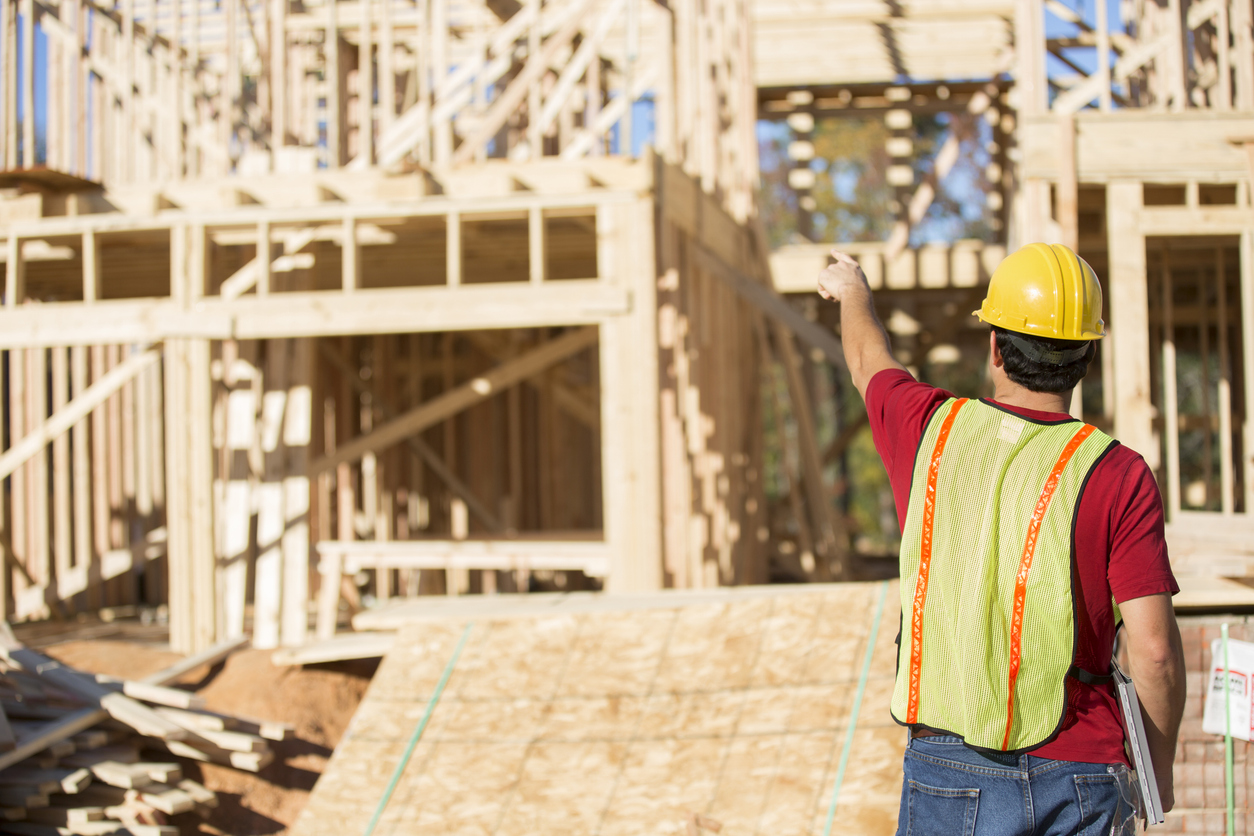
The real estate and construction industries are navigating one of their most transformative periods in decades. Economic pressures, including elevated interest rates, affordability challenges and changing workplace patterns, continue to reshape residential and commercial markets. At the same time, advances in artificial intelligence (AI), digital construction technologies, sustainability initiatives and demographic shifts are creating entirely new opportunities for developers, investors, builders and technology providers. Rather than moving in a single direction, the industry is balancing short-term economic headwinds with long-term technological transformation. The companies that adapt to these changing conditions will be best positioned for growth in the years ahead. The following are the most significant trends currently defining the industry.
Even more information on this industry is available! Check out our Real Estate Industry Center.
Plunkett’s Real Estate & Construction Industry eBook, latest edition.
1. High Interest Rates Continue to Reshape Real Estate
Perhaps no factor has had a greater influence on real estate than persistently high interest rates. Mortgage costs have remained elevated through mid-2026, significantly reducing affordability for homebuyers and slowing existing home sales.
Many homeowners who secured historically low mortgage rates during the pandemic are reluctant to sell, limiting housing inventory and keeping prices relatively high despite softer demand. Builders continue to face rising land, labor and material costs, making it difficult to produce affordable homes for first-time buyers.
Commercial real estate faces similar pressures. Office building owners refinancing debt are encountering much higher borrowing costs, while reduced demand for traditional office space continues to pressure valuations and increase foreclosures in older office properties. Premium Class A office buildings remain relatively resilient, but many aging office towers are being repositioned or converted into residential uses.
2. Apartment Markets Adjust After Record Construction
High homeownership costs have pushed many households toward renting. As a result, apartment demand has remained relatively healthy despite record numbers of new units entering the market.
Developers completed more than 500,000 apartment units during 2025, creating increased competition among landlords. Many owners are offering incentives such as free rent, reduced deposits and waived fees to attract tenants.
Looking ahead, apartment construction is expected to slow as developers wait for recently completed projects to be absorbed before launching additional developments. Multifamily housing remains one of the healthier segments of commercial real estate, although construction activity is moderating.
3. AI Is Fueling an Unprecedented Construction Boom
Artificial intelligence has become one of the most powerful drivers of global construction spending.
Technology companies are investing hundreds of billions of dollars in hyperscale AI data centers that require enormous computing capacity, sophisticated cooling systems and massive electrical infrastructure. Industry forecasts suggest up to 100 gigawatts of new data center capacity could be added worldwide between 2026 and 2030.
This boom has created tremendous opportunities for contractors specializing in mission-critical facilities. However, developers face significant challenges, including shortages of electrical power, lengthy permitting processes, limited utility grid capacity and shortages of highly skilled labor.
Many developers are now constructing on-site power generation systems—including natural gas facilities and, in some cases, evaluating small modular nuclear reactors—to overcome utility constraints. AI infrastructure has become one of the fastest-growing segments of the global construction industry.
4. Construction Technology Is Improving Productivity
Technology continues to modernize one of the world’s oldest industries.
Building Information Modeling (BIM) has become an increasingly valuable project management tool, allowing architects, engineers and contractors to collaborate using detailed three-dimensional digital models that integrate design, materials, scheduling, costs and long-term maintenance throughout a building’s lifecycle.
At the same time, builders are adopting prefabrication, modular construction, robotics and 3D printing to improve quality while reducing labor requirements and construction schedules. Factory-built wall systems, automated manufacturing and robotic assembly are helping address persistent shortages of skilled construction workers while increasing efficiency.
These technologies are transforming how buildings are designed, manufactured and assembled.
5. Sustainability Becomes Standard Practice
Environmental performance has become a major competitive advantage throughout the construction industry.
Builders increasingly pursue LEED, Green Globes and other green certifications while incorporating energy-efficient designs, advanced insulation, high-performance windows, smart HVAC systems, solar power and water-saving technologies.
Governments continue strengthening building codes while encouraging sustainable development through tax incentives and emissions regulations. Although green buildings often involve higher upfront costs, owners increasingly recognize the long-term benefits through lower operating expenses, improved energy efficiency and stronger property values.
Large-scale retrofitting of existing buildings is also accelerating as cities pursue aggressive carbon reduction goals.
6. Retail Real Estate Continues to Reinvent Itself
Reports of the death of the shopping mall have proven premature.
Successful malls and shopping centers continue evolving into mixed-use destinations featuring restaurants, entertainment, healthcare providers, fitness centers and residential developments. Retailers are increasingly integrating physical stores with e-commerce operations, using stores as fulfillment centers while encouraging customers to shop across multiple channels.
Older retail properties continue to be redeveloped into apartments, educational facilities, research campuses, medical centers and logistics facilities. Meanwhile, construction of new retail space remains historically low, and large amounts of obsolete retail space have been demolished to make way for higher-value developments.
7. Mixed-Use Developments Continue Expanding
Developers increasingly favor mixed-use projects that combine residential, office, hospitality, retail and entertainment within walkable communities.
These “live-work-play” developments maximize land values while responding to changing consumer preferences for convenience and urban lifestyles. Many are being built around transit stations, sports arenas and urban redevelopment districts.
The mix of uses is also evolving. With office demand moderating, developers are dedicating greater portions of projects to residential housing, hospitality and experiential retail. Vertical mixed-use developments continue gaining popularity in dense urban markets where land is scarce and expensive.
8. Demographics Continue to Drive Housing Demand
The aging of the Baby Boom generation continues influencing residential design.
Universal design features—including wider doorways, step-free entrances, accessible bathrooms and smart home technologies—allow homeowners to age in place more comfortably. Demand for independent living, assisted living and continuing-care communities continues growing as approximately 10,000 Americans reach age 65 each day.
Meanwhile, smart homes equipped with Internet of Things (IoT) technologies are becoming increasingly common, allowing homeowners to control lighting, security, heating and appliances remotely through smartphones and voice assistants.
9. China’s Property Market Enters a New Phase
China’s real estate market remains under significant pressure following the collapse of its property boom.
While government intervention has reduced the likelihood of a severe financial crisis, oversupply, weak consumer confidence, declining demographics and financial stress among developers continue limiting recovery. Rather than returning to the rapid expansion experienced during the previous two decades, China’s property market appears to be entering a period of slower, more sustainable growth characterized by substantial differences between stronger and weaker regional markets.
10. The Future
The real estate and construction industries are entering a new era defined by technological innovation, changing demographics and evolving patterns of development.
While elevated financing costs and affordability challenges will likely continue creating near-term uncertainty, long-term opportunities remain substantial. AI-driven infrastructure investment, advanced construction technologies, sustainable building practices and adaptive redevelopment are reshaping virtually every segment of the industry.
Organizations that embrace digital construction tools, improve productivity through automation, invest in sustainability and adapt to changing consumer preferences will be best positioned to succeed. The industry’s future will be determined not simply by economic cycles, but by its ability to integrate innovation with resilience in an increasingly technology-driven world.
Key Concepts: Real estate, housing, construction, development, green buildings, sustainability, communities, mortgages, architecture, business, investing, finance, economics, globalization, marketing, aging in place
Source: Plunkett Research, Ltd., Copyright © 2026

