
5.1.26
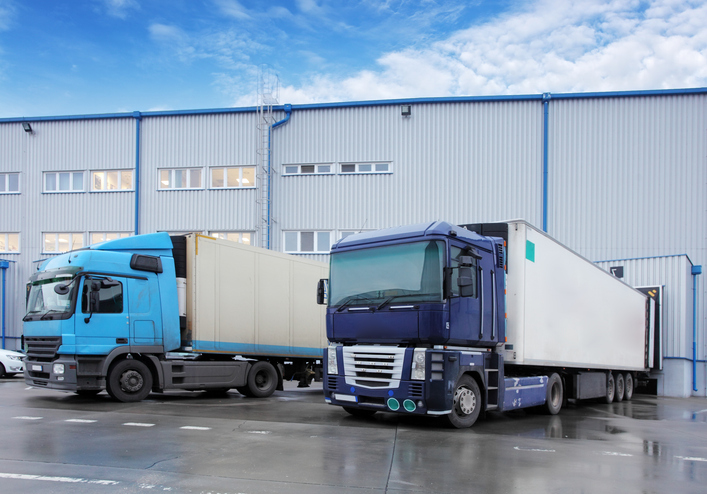
The transportation, supply chain, and logistics industry is undergoing one of the most profound transformations in its history. Driven by technological innovation, globalization, and shifting consumer expectations, the sector—worth roughly $7 trillion globally and accounting for about 6% of global GDP—has become a central pillar of modern economic activity. From automation and artificial intelligence to sustainability and infrastructure investment, a convergence of forces is reshaping how goods and people move around the world.
Even more information on this industry is available! Check out our Transportation Industry Center.
Plunkett’s Transportation, Supply Chain & Logistics Industry eBook, latest edition.
1. The Rise of Automation, AI and Robotics
Perhaps the most important trend is the rapid adoption of automation, robotics, and artificial intelligence (AI). These technologies are fundamentally changing logistics operations. Warehouses are increasingly powered by mobile robots that can pick, sort, and transport goods with greater speed and accuracy than human labor. This not only reduces costs but also enhances safety and efficiency.
AI is also being applied across transportation networks for predictive maintenance, demand forecasting, and route optimization. Ports are adopting automated loading systems, while autonomous trucks and delivery vehicles are moving closer to large-scale deployment. Over time, self-driving systems are expected to dramatically reduce labor shortages, improve safety, and increase overall productivity across supply chains.
2. Expansion of Third-Party Logistics (3PL)
Another major trend is the growth of third-party logistics (3PL) providers. Companies are increasingly outsourcing logistics functions such as warehousing, distribution, and inventory management to specialized firms. This shift allows businesses to focus on core competencies while benefiting from the scale, expertise, and technology of logistics providers.
The COVID-19 pandemic highlighted vulnerabilities in global supply chains and accelerated demand for flexible, resilient logistics solutions. As a result, 3PL services have become one of the fastest-growing segments in the industry, offering integrated, end-to-end supply chain management solutions that enable just-in-time delivery and improved cost control.
3. E-Commerce Reshaping Logistics Networks
The explosive growth of e-commerce continues to redefine logistics. Consumers now expect fast, flexible, and often same-day delivery, forcing companies to rethink their distribution strategies. Retail giants like Amazon have responded by building vertically integrated logistics networks that include fulfillment centers, aircraft fleets, and last-mile delivery systems.
This trend has intensified competition with traditional carriers such as FedEx, UPS, and DHL, pushing the entire industry toward greater efficiency and transparency. Micro-fulfillment centers—small, strategically located warehouses—are emerging as a critical solution for meeting rapid delivery expectations. At the same time, last-mile innovations, including delivery robots and crowdsourced drivers, are becoming increasingly important.
4. Digitalization and the “Uberization” of Freight
Digital transformation is also reshaping freight transportation. The rise of digital freight platforms—often described as the “Uberization” of trucking—connects shippers with carriers in real time. These platforms streamline booking, pricing, and documentation while reducing inefficiencies such as empty truck miles.
By leveraging algorithms and real-time data, companies can optimize asset utilization and improve service levels. However, the trucking industry still faces significant challenges, including driver shortages, regulatory pressures, and rising costs. These challenges are further accelerating the adoption of automation and alternative business models.
5. Infrastructure Investment as a Global Priority
Infrastructure development remains a critical driver of growth in transportation and logistics. Governments and private entities worldwide are investing heavily in highways, railways, ports, and airports to support increasing trade volumes and larger, more efficient vessels.
Emerging economies, particularly China and India, are making massive investments to modernize transportation networks. China’s Belt and Road Initiative, for example, represents one of the largest infrastructure projects in history. Meanwhile, developed countries are focused on upgrading aging infrastructure, often through public-private partnerships due to limited government funding.
6. Sustainability and Environmental Pressures
Sustainability has become a defining issue for the industry. Transportation is a major contributor to global emissions, and companies are under increasing pressure to reduce their environmental impact. This has led to the development of electric vehicles, alternative fuels, and more fuel-efficient aircraft and ships.
For example, modern container ships are significantly more efficient than previous generations, while airlines are investing in next-generation aircraft with lower fuel consumption. Governments and cities are also promoting public transportation, light rail, and congestion pricing to reduce traffic and emissions.
At the same time, smart city initiatives are using sensors and data analytics to optimize traffic flows and reduce environmental impact. These efforts are helping to create more sustainable and efficient urban transportation systems.
7. Growth of Data-Driven, Connected Supply Chains
The integration of data and connectivity across supply chains is another major trend. Technologies such as RFID (radio frequency identification), IoT sensors, and real-time tracking systems are enabling unprecedented visibility into the movement of goods.
These tools allow companies to monitor inventory, track shipments, and respond quickly to disruptions. Combined with AI-driven analytics, they provide insights that can improve forecasting, optimize routes, and reduce costs. The result is a more agile and responsive supply chain capable of adapting to changing market conditions.
8. Autonomous and Smart Mobility Systems
The future of transportation is closely tied to the development of autonomous vehicles and smart mobility systems. Massive investments—estimated at around $100 billion—are being made in self-driving technologies for cars, trucks, and delivery vehicles.
While full autonomy is still evolving, pilot programs are already underway in several cities. Autonomous trucks are being tested on highways, and robotaxi services are beginning to emerge. These technologies have the potential to reduce accidents, lower transportation costs, and fundamentally change vehicle ownership models.
At the same time, ride-hailing services such as Uber and Lyft are reshaping urban mobility, while bike-sharing and e-bike adoption are offering sustainable alternatives for short-distance travel.
9. Increasing Scale and Efficiency in Global Shipping
Global shipping continues to evolve toward larger, more efficient vessels and expanded port infrastructure. Mega-ships capable of carrying tens of thousands of containers are becoming the norm, driving the need for ports to upgrade facilities and accommodate higher volumes.
Canal expansions, such as the Panama Canal, have enabled these larger ships to operate more efficiently, reducing transit times and costs. However, these developments also require significant investment and create challenges for smaller ports struggling to compete.
10. The Convergence of Technology, Infrastructure and Services
Ultimately, the most important trend is the convergence of multiple forces—technology, infrastructure, and mobility services—into a highly interconnected ecosystem. Smart cities, autonomous vehicles, AI-driven logistics, and digital platforms are all part of a broader transformation that is redefining transportation and supply chains.
This convergence is enabling end-to-end visibility, real-time decision-making, and unprecedented levels of efficiency. It is also creating new business models and competitive dynamics, as companies seek to control more of the value chain and deliver superior customer experiences.
11. The Future
The transportation, supply chain, and logistics industry is at a pivotal moment. Automation, digitalization, sustainability, and infrastructure investment are driving sweeping changes that will shape the future of global commerce. Companies that embrace these trends—leveraging technology, investing in innovation, and building resilient supply chains—will be best positioned to succeed in an increasingly complex and competitive landscape.
As global demand continues to grow and supply chains become more interconnected, the industry will remain a critical enabler of economic activity. The coming years will likely bring even greater transformation, as new technologies and business models continue to redefine how goods and people move across the world.
Key Concepts: Transportation, business, outsourcing, economics, offshoring, entrepreneurship, finance, shipping, globalization, logistics, innovation, investing, marketing, management, airlines, artificial intelligence (AI)
Source: Plunkett Research, Ltd., Copyright © 2026

